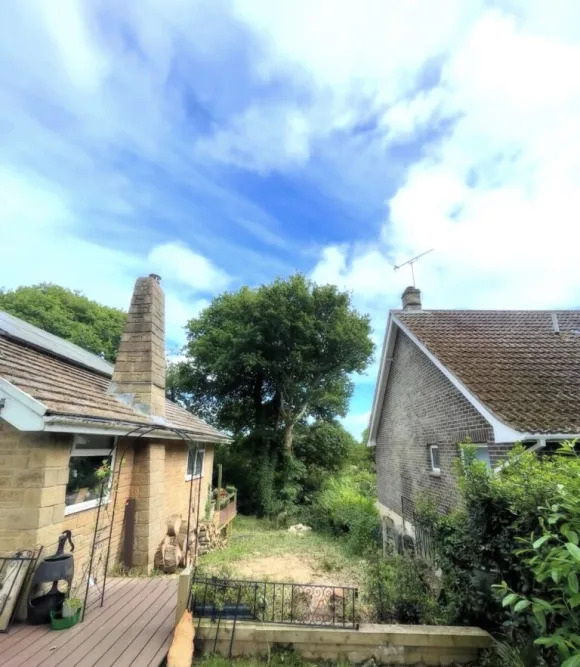
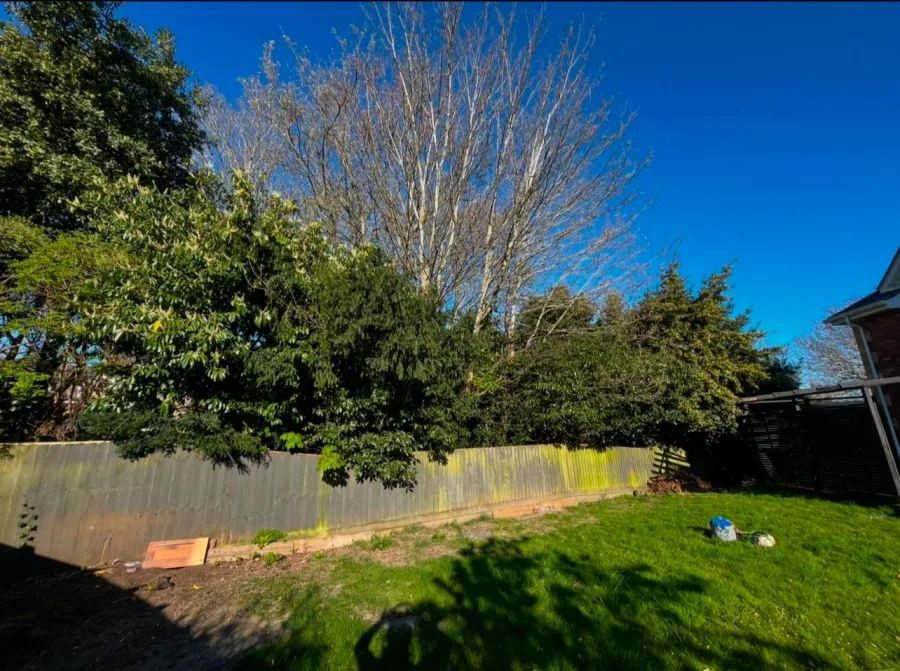
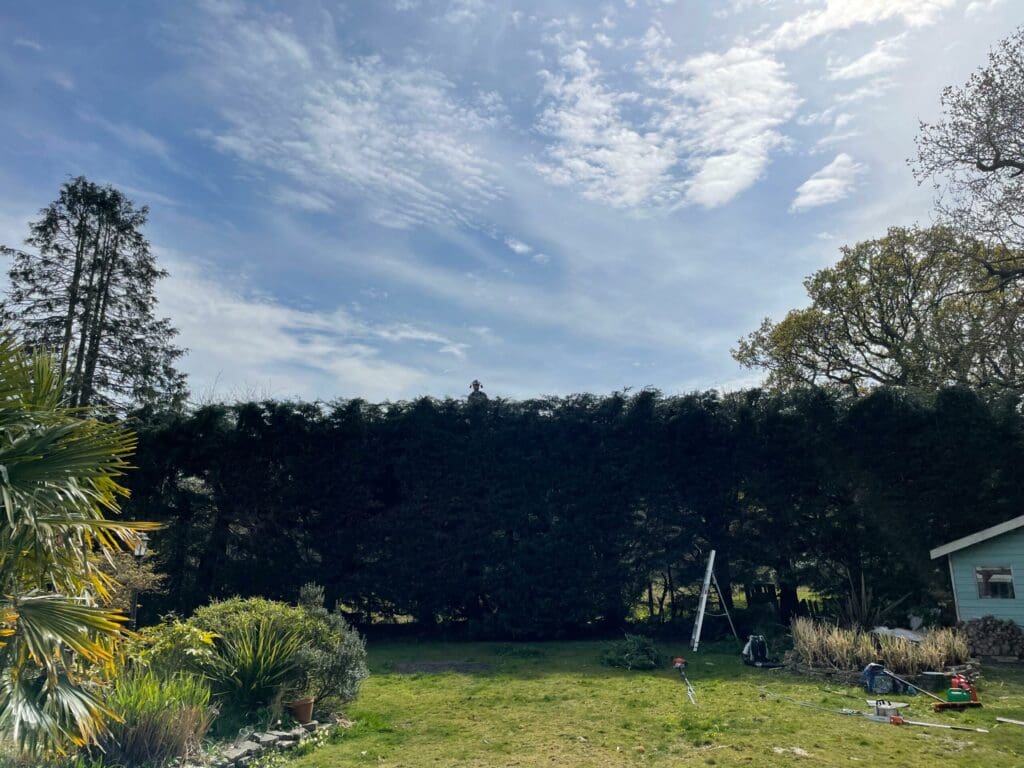
If you are planning to remove a tree from your garden, you might be wondering, do I need permission to cut down a tree on the Isle of Wight? The answer depends on whether the tree is protected by law.
Many trees across the island are protected by Tree Preservation Orders (TPOs) or are located within conservation areas, which means you must apply for permission before carrying out work. Felling a protected tree without approval from the Isle of Wight Council can lead to serious penalties, including fines of up to £20,000.
For homeowners, landlords, and property managers, understanding these regulations is essential before starting any tree work. In this guide, we explain when permission is required, how to check if a tree is protected, and what steps you should take before removing a tree.
Why are some trees protected on the Isle of Wight?
Trees are often protected to preserve the island’s landscape, wildlife habitats, and historic character. The Isle of Wight has many mature trees that contribute to the environment and local biodiversity.
Local authorities protect certain trees through legal measures such as Tree Preservation Orders (TPOs) or by designating areas as conservation areas. These protections mean that even basic tree work such as pruning, thinning, or removal may require permission.
According to Isle of Wight Council guidance, you should always check whether a tree is protected before carrying out any work. If a protected tree is damaged or removed without permission, you may face prosecution.
This is why many homeowners choose to consult a qualified arborist before undertaking tree work.
What is a tree preservation order (TPO)?
A Tree Preservation Order (TPO) is a legal protection placed on a tree or group of trees by the local council.
Its purpose is to protect trees that provide significant environmental, visual, or cultural value to an area.
If a tree has a TPO, you must apply for permission before carrying out any of the following work:
- Cutting down the tree
- Uprooting the tree
- Topping or lopping branches
- Damaging or destroying the tree
This protection applies regardless of whether the tree is located on private land.
If you remove or damage a protected tree without consent, you may face fines or be required to replace the tree.
How do conservation areas affect tree work?
Another common reason you may need permission is if your property lies within a conservation area.
Conservation areas are designated locations where the local council aims to preserve the historic or architectural character of a place. Many towns on the Isle of Wight, including Cowes, Ryde, and Newport, contain conservation zones.
If a tree within a conservation area has a trunk diameter greater than 75mm, you must notify the council six weeks before starting any work.
This notification period allows the council to decide whether the tree should receive a Tree Preservation Order.
If you carry out work without notifying the council first, you could face legal consequences.
How can you check if your tree is protected?
Before removing a tree, you should confirm whether it is protected.
The Isle of Wight Council provides an online map that allows homeowners to check protection status.
Steps to check tree protection
- Visit the Isle of Wight Council tree protection map
- Enter your postcode or property address
- Turn on the layers for Tree Preservation Orders and conservation areas
- Check whether your tree falls within a protected area
This map can show:
- Individual Tree Preservation Orders
- Woodland TPO areas
- Conservation zones
If you are unsure how to interpret the map, a professional tree surgeon can help verify whether permission is required.
What is a tree works application?
If your tree is protected, you must submit a tree works application before carrying out any work.
Applications are typically submitted through the Planning Portal and reviewed by the Isle of Wight Council.
The application will require information such as:
- Tree species and location
- Type of work planned
- Reason for the work
- Supporting photographs
In some cases, the council may request additional arboricultural information.
Approval is not guaranteed. The council will assess whether the work is justified and whether the tree contributes to the local landscape.
Are there any situations where permission is not required?
There are some circumstances where permission may not be required.
For example, if a tree is dead, dying, or poses an immediate danger to life or property, emergency work may be permitted without prior approval.
However, it is strongly recommended to document the situation.
Steps to take before emergency work
- Take photographs of the tree and visible damage
- Record the risk posed to property or people
- Contact a qualified arborist
- Notify the council where possible
Even when emergency work is permitted, further tree work may still require permission afterwards.
Do you need a felling licence?
In some cases, you may also require a felling licence from the Forestry Commission.
This typically applies when removing more than 5 cubic metres of timber in a calendar quarter.
This rule is designed to regulate large-scale tree removal.
However, most domestic garden tree removals fall below this threshold and therefore do not require a licence.
Still, it is important to confirm the legal requirements before beginning any work.
What happens if you cut down a protected tree without permission?
Cutting down a protected tree without permission is considered a serious offence under UK law.
Potential penalties include:
- Fines up to £20,000 in Magistrates Court
- Unlimited fines in Crown Court
- Replacement tree planting orders
- Criminal prosecution
In severe cases, individuals involved in illegal tree removal may face additional legal consequences.
These strict penalties exist to protect trees that contribute to the local environment and community.
This is why checking tree protection status is essential before carrying out any work.
Why is it best to speak to a professional tree surgeon
Navigating tree regulations can be confusing, especially when dealing with protected trees, conservation areas, or emergency situations.
A qualified arborist can help you:
- Check if your tree is protected
- Prepare planning applications
- Assess tree health and safety
- Carry out safe and legal tree work
Professional advice ensures the work is done correctly and avoids costly legal mistakes.
At Penny Tree Surgery & Landscaping, our team has extensive experience working with Isle of Wight planning regulations. We regularly assist homeowners with tree removal, pruning, and tree inspections while ensuring all work complies with council guidelines.
Get expert advice before removing a tree
If you are unsure whether you need permission to cut down a tree on the Isle of Wight, it is always best to seek professional advice before starting work.
Our team can assess the tree, check protection status, and guide you through the correct process so everything is handled safely and legally.
Contact Penny Tree Surgery & Landscaping today to arrange a site visit and expert advice.
Call us: 01983 214087 or 07365 825554
Email: Bruce@pennytreesurgery.co.uk
Address: 64 Nelson Dr, Cowes PO31 8QY